Masking in School: Recognising the Signs and Supporting Autistic Students
Learn how to spot autistic masking in school settings and discover practical strategies to support students who camouflage their true selves.

Transcript
Masking means someone hides or suppresses autistic traits to fit in with what's expected. In school it might look like forcing eye contact, mimicking other people, or hiding sensory discomfort.
First: the signs to notice. Second: the cost of masking. Third: what helps.
Students often mask to fit in, to avoid bullying, or because they feel pressure from adults.
The first part. At home, teachers and parents might notice extreme tiredness after school, or meltdowns once the day is over. They might also see sudden drops in performance when demands increase, or resistance to group work.
The second part. Masking can help someone get through a social situation, but it also carries a cost. Concerns to explore include exhaustion, loss of identity, a risk of autistic burnout, and delayed support. In a 2017 study of 92 autistic adults, they described exhaustion and changes to their sense of self. These accounts help explain people's experiences, but they do not prove that masking causes a particular outcome for every student.
The third part. What helps: offer alternatives, accept looking away or written responses, and don't make eye contact a condition of listening. Reduce social pressure: don't force group work or presentations. And create safe spaces: quiet zones where masking isn't expected. True inclusion means making environments where students don't need to mask to succeed.
The full guide, with sources: blog.jameswallace.tech
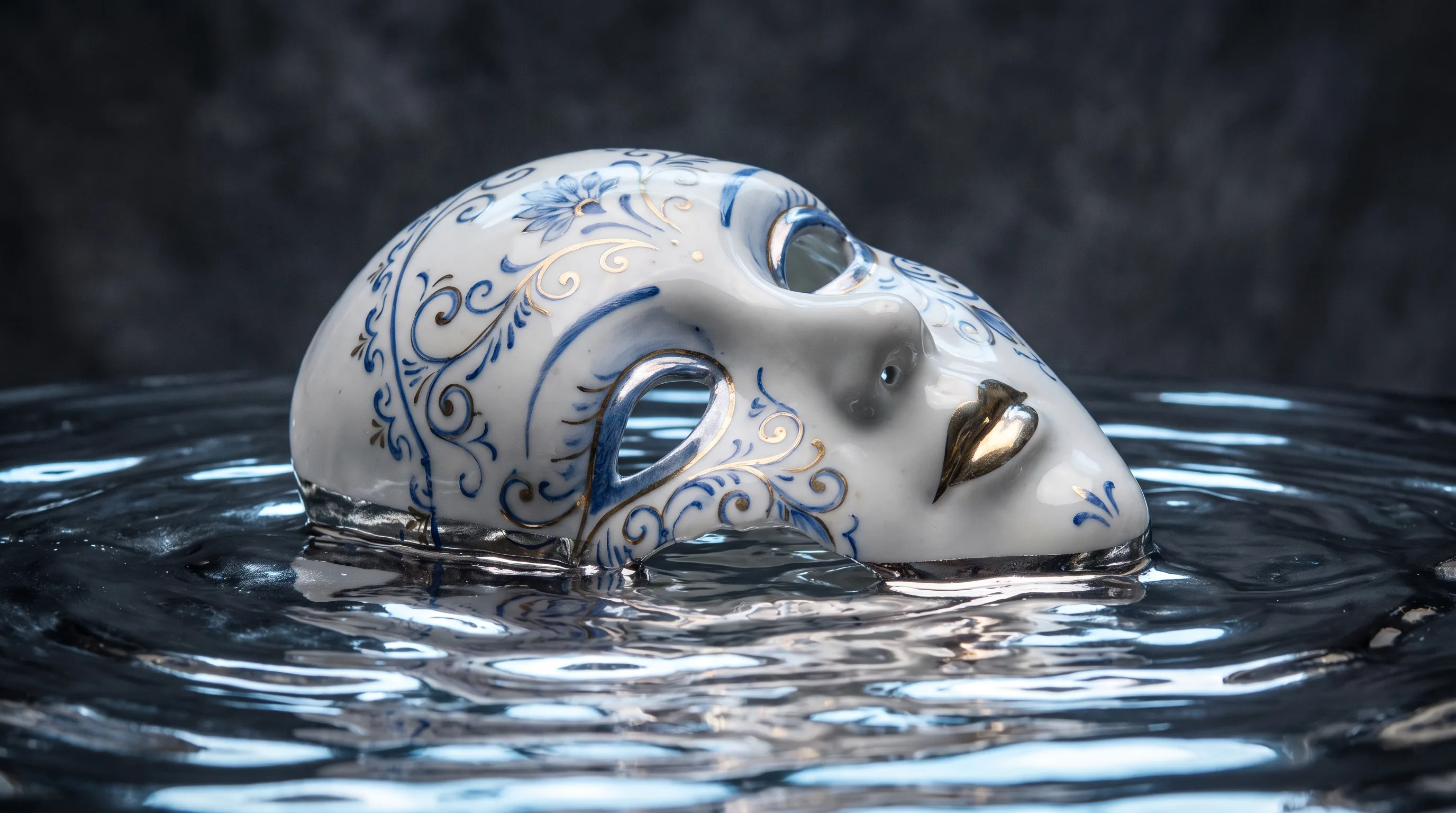
What Is Autistic Masking?
Masking refers to the conscious or unconscious suppression of autistic traits to fit in with neurotypical expectations. In school environments, this might look like:
- Forcing eye contact despite discomfort
- Mimicking peers’ social behaviours
- Suppressing stimming (self-stimulatory behaviours like hand-flapping)
- Hiding sensory discomfort
- Following social scripts rather than natural interactions
In a 2017 qualitative study of 92 autistic adults, participants described exhaustion and changes in their sense of self as consequences of camouflaging. These accounts help us understand people’s experiences; they do not establish that masking causes a particular outcome for every student.
Why Do Students Mask?
Students often mask because:
- They want to fit in with peers
- They’ve learned their natural behaviours are “wrong”
- They’re trying to avoid bullying
- They don’t yet know they’re autistic
- They’re responding to explicit or implicit pressure from adults
Recognising the Signs of Masking
Teachers and parents might notice:
Behavioural Signs
- “Switching personalities” between different environments
- Extreme tiredness after school
- Meltdowns or shutdowns at home after holding it together all day
- Copying others’ mannerisms precisely
Academic Signs
- Perfectionism bordering on obsessive
- Sudden drops in performance when demands increase
- Resistance to group work despite apparent social competence
Emotional Signs
- Expressing confusion about their own identity
- Reporting feeling like an “imposter”
- Difficulty identifying their own needs
The Cost of Masking
Masking can help someone navigate a social situation while also carrying a cost. Experiences described in research include exhaustion and difficulties with identity. Possible concerns to explore with the young person include:
- Emotional exhaustion
- Loss of identity
- Increased risk of autistic burnout
- Delayed diagnosis and support
- Mental health challenges
A 2021 interview study by Halsall, Clarke and Crane involved eight adolescent autistic girls, their mothers and school staff. The girls described camouflaging as exhausting and distressing, with consequences for belonging and learning. This was a small qualitative study of girls attending specialist resource bases alongside mainstream classes; it did not measure adult depression rates or prove a causal relationship.
Practical Strategies to Support Masking Students
For Teachers:
- Normalise neurodiversity - Discuss different brain types in class
- Offer alternatives - Accept looking away, written responses or more processing time; do not make eye contact a condition of listening
- Reduce social pressure - Don’t force group work or presentations
- Create safe spaces - Designate quiet zones where masking isn’t expected
For Parents:
- Watch for exhaustion signs - Note behaviour changes post-school
- Validate their experience - “School must be tiring when you’re working so hard to fit in”
- Collaborate with school - Share observations with the SENCO and agree adjustments with the young person
- Model self-acceptance - Share your own authentic traits
For Students:
- Identify safe people - Who can you be yourself around?
- Discuss what feels safe - With a trusted adult, consider where you can express your needs without pressure to change how you present
- Track energy levels - Notice what’s most draining
- Develop self-advocacy - Learn to say “I need to do this differently”
When to Seek Additional Support
Consider professional support if you notice:
- Increasing school refusal
- Signs of depression or anxiety
- Significant identity confusion
- Physical symptoms like frequent headaches or stomach aches
A GP or appropriately qualified mental health professional can help assess persistent distress. These observations are reasons to listen and seek support, rather than a diagnostic checklist.
Creating Authentic Inclusion
True inclusion means creating environments where students don’t need to mask to succeed. This requires:
- Staff training on neurodiversity
- Flexible approaches to participation
- Acceptance of diverse communication styles
- Sensory-friendly spaces
- Clear, predictable routines
If your child is struggling with masking at school, specialist support can make all the difference. As a neurodiversity specialist tutor, I help students develop self-understanding and practical strategies for school success. Get in touch to discuss how we can support your child’s authentic learning journey.
Further context