Suspensions and Exclusions When Your Child Has SEND
What the rules say about suspending or excluding a pupil with special educational needs, the timescales that apply, and how to challenge a decision.

About this articleJames taught for twelve years at Foxwood Academy, a special school, and has held QTS since 2004.
Transcript
If your child has been suspended or excluded, these rules apply. They come from the Department for Education's guidance, in force from 26 July 2026, for schools in England.
First: the basic rules. Second: what the guidance says about special educational needs. Third: how to challenge a decision.
Pupils with special educational needs are suspended far more often than other pupils.
The first part. Only the headteacher can suspend or exclude a pupil, and suspensions can total up to 45 school days a year. Telling or forcing a pupil to leave school counts as a suspension or exclusion, and being sent home informally still has to follow the formal process.
The second part. It would be unlawful to exclude a pupil simply because they have SEN or a disability the school feels it cannot meet. Schools are required to make reasonable adjustments for disabled pupils. Where a pupil has an EHC plan, schools should contact the council early and consider an early annual review. Where a child has SEN but no EHC plan, the school should review the current support, and that review may be a point to request an EHC assessment.
The third part. For a permanent exclusion, the governing board must consider and decide on the reinstatement within 15 school days. After a permanent exclusion, you can ask for an independent review, and a SEN expert can attend. Disability discrimination claims go to the First-tier Tribunal, and should be lodged within six months.
The full guide, with sources: blog.jameswallace.tech
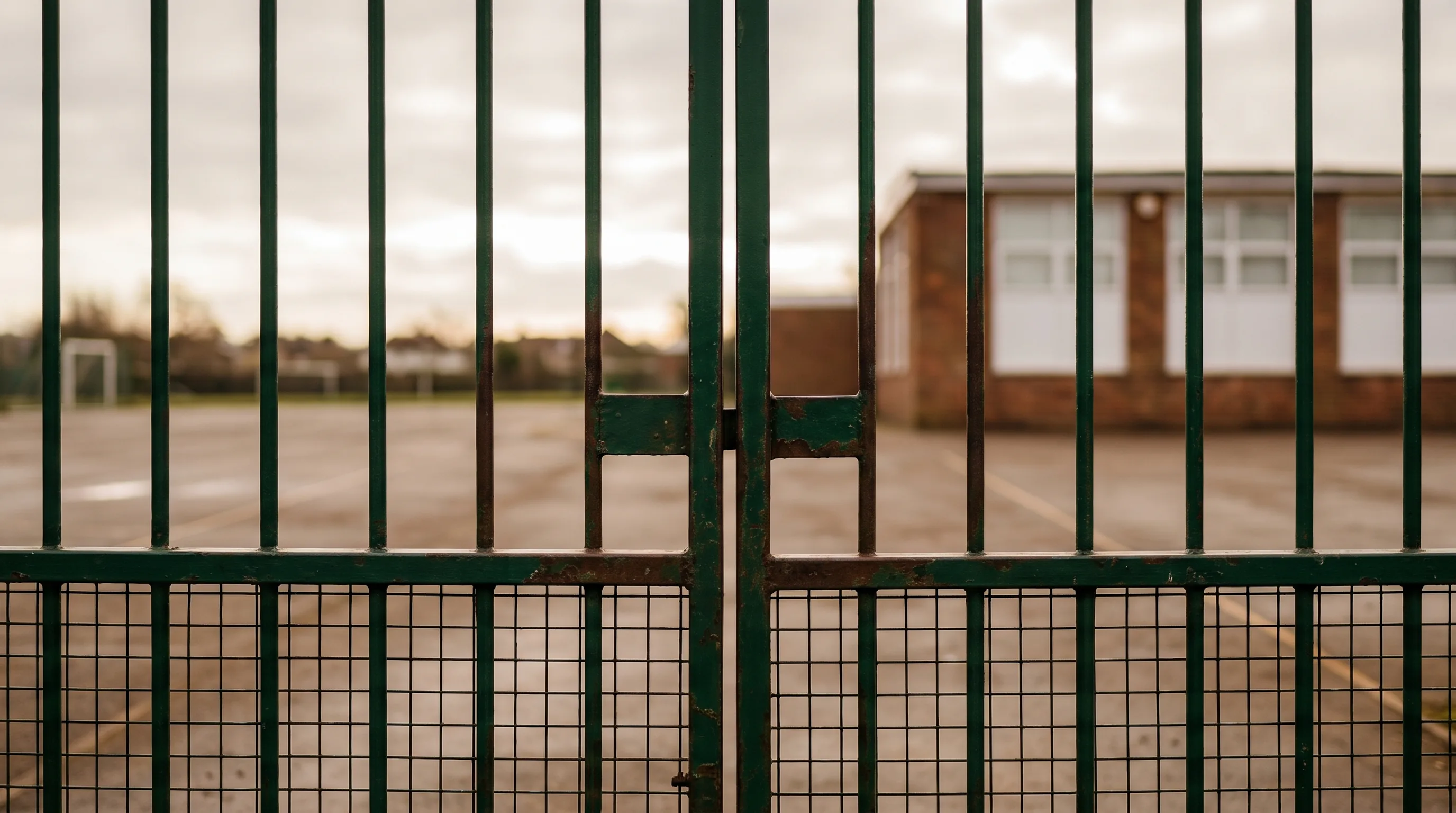
Pupils with special educational needs are suspended far more often than other pupils. In 2024/25, the national statistics show a suspension rate of 26.45 per 100 pupils with an EHC plan and 28.86 per 100 with SEN support, against 6.78 for pupils with no identified SEN.
If your child has been suspended or excluded, the rules below apply. They come from the Department for Education’s suspension and permanent exclusion guidance, in force from 26 July 2026. It applies to maintained schools, academies and pupil referral units in England.
The basic rules
- “Only the headteacher of a school can suspend or permanently exclude a pupil on disciplinary grounds.”
- Suspensions can total “up to a maximum of 45 school days in a single academic year”.
- “Telling or forcing a pupil to leave school, or not allowing them to attend school, is a suspension (if temporary) or permanent exclusion (if permanent).” Being sent home informally still has to follow the formal process.
- “Any exclusion of a pupil, even for short periods, must be formally recorded.”
What the guidance says about SEND
- “It would also be unlawful to exclude a pupil simply because they have SEN or a disability that the school feels it is unable to meet”.
- “The Equality Act 2010 requires schools to make reasonable adjustments for disabled pupils. This duty can, in principle, apply both to the suspensions and permanent exclusions process and to the disciplinary sanctions imposed.”
- “Where a pupil has an EHC plan, schools should contact the local authority about any behavioural concerns at an early stage and consider requesting an early annual review prior to making the decision to suspend or permanently exclude.”
- For pupils with SEN but no EHC plan, the school should review whether current support is appropriate, which “may provide a point for schools to request an EHC assessment”.
Education while your child is out
- For a suspension of more than five school days, the governing board must arrange suitable full-time education, which “must begin no later than the sixth school day of the suspension”.
- For a permanent exclusion, “the local authority must arrange suitable full-time education for the pupil to begin from the sixth school day after the first day the permanent exclusion took place.”
Challenging a decision
- Governing board. The board “must consider and decide on the reinstatement” within 15 school days if it is a permanent exclusion, if a suspension would take the pupil’s total to more than 15 school days in a term, or if it would mean missing a public exam or national curriculum test. You can make representations.
- Independent review panel. After a permanent exclusion, you can ask for an independent review. You “have a right to request the attendance of a SEN expert at a review, regardless of whether the school recognises that their child has SEN.”
- Disability discrimination. Claims can go to the First-tier Tribunal (Special Educational Needs and Disability), and “should be lodged within six months of the date on which the discrimination is alleged to have taken place”.
What to do
- Ask for the reasons in writing. The school must confirm a suspension or exclusion to parents in writing.
- If your child has an EHC plan, contact the council’s SEN team and ask whether an early annual review is needed.
- Keep a record of every time your child is sent home, including informal requests to collect them.
- Get advice early. IPSEA and your local SENDIASS are listed on Where to get help.
Further context
Sources
- https://explore-education-statistics.service.gov.uk/find-statistics/suspensions-and-permanent-exclusions-in-england
- https://www.gov.uk/government/publications/school-suspensions-and-permanent-exclusions
- https://assets.publishing.service.gov.uk/media/6a2c1d4aa3674dfd3eb50816/suspension-and-permanent-exclusion-from-maintained-schools-academies-and-pupil-referral-units-in-England-including-pupil-movement-comes-into-force-from-26-July-2026.pdf